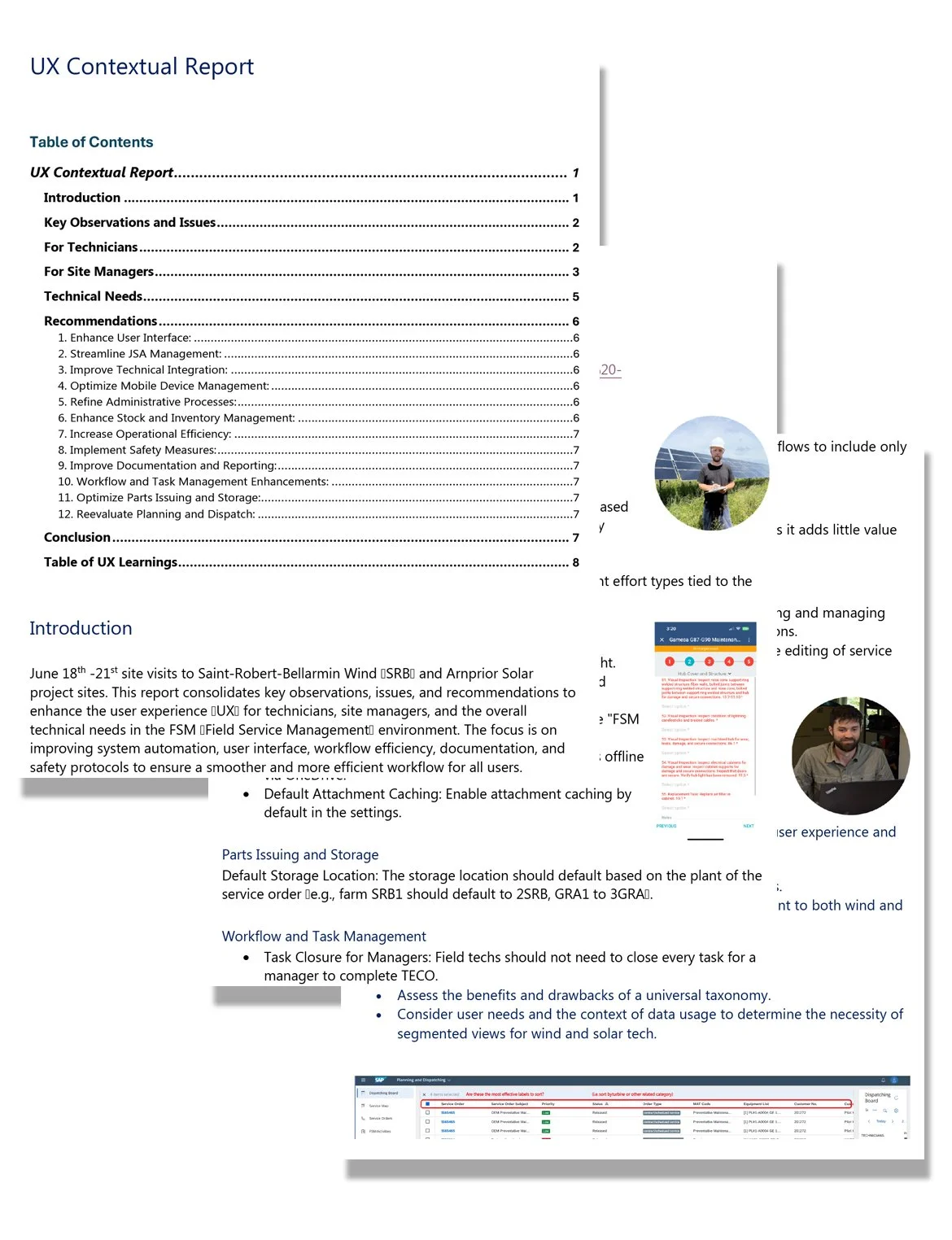
EDF Field Service Management App
Role: Senior UX Design Strategist
Scope: Field research, interaction design, usability testing
Users: Wind and solar technicians
Platforms: Responsive web, Android, and iOS
Outcome: Research-informed workflows, accessibility improvements, and implementation recommendations
EDF was preparing to launch a Field Service Management app for wind and solar technicians working in dramatically different environments.
The challenge was to understand how the beta application supported real-world work, identify usability and accessibility barriers, and recommend improvements that balanced technician needs with technical feasibility.
Challenge
Align the experience with actual technician workflows.
Improve mobile usability in demanding field conditions.
Identify opportunities to reduce administrative work.
Translate research findings into feasible design recommendations.
The project focused on four goals:
Key Findings
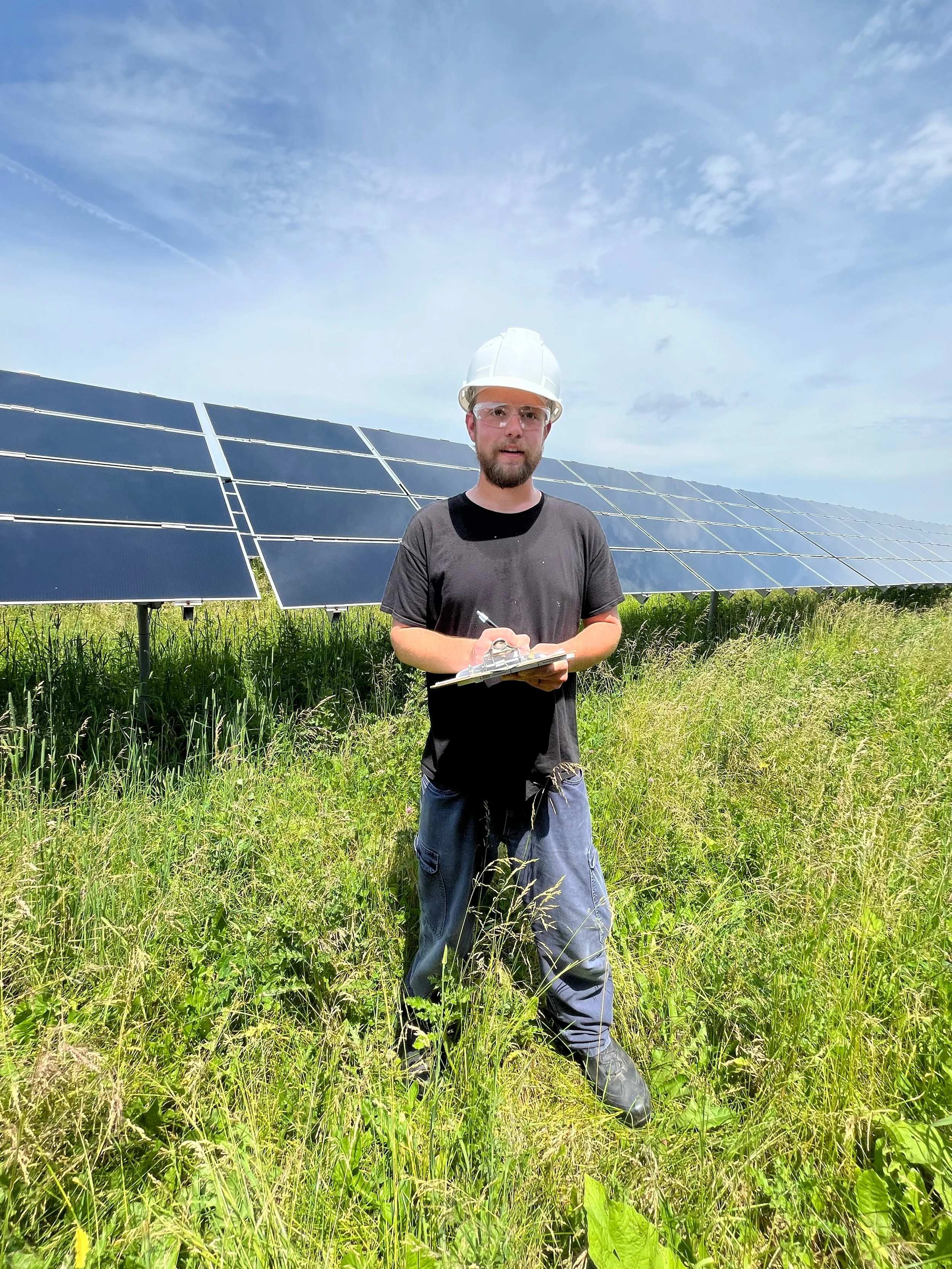
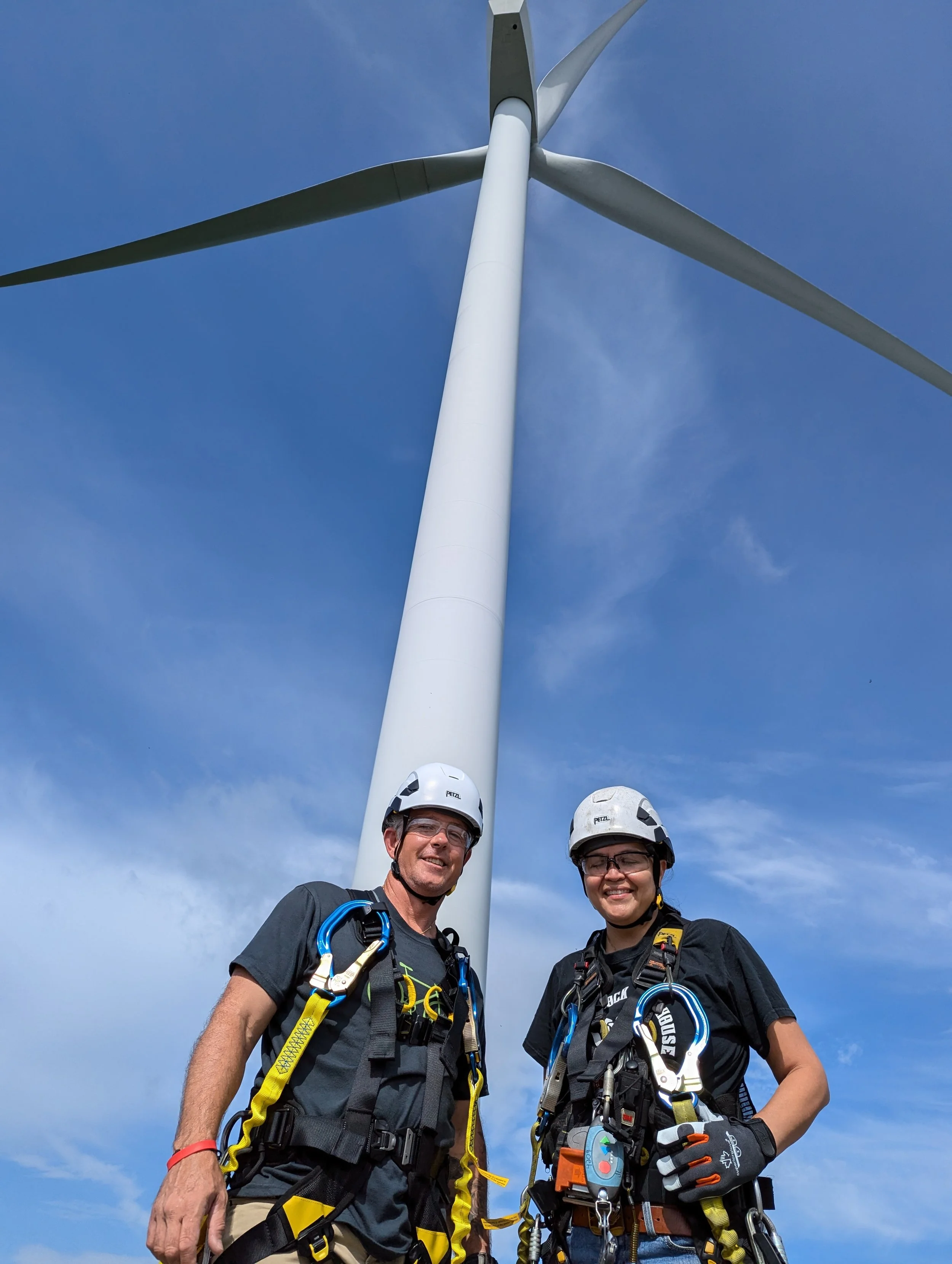
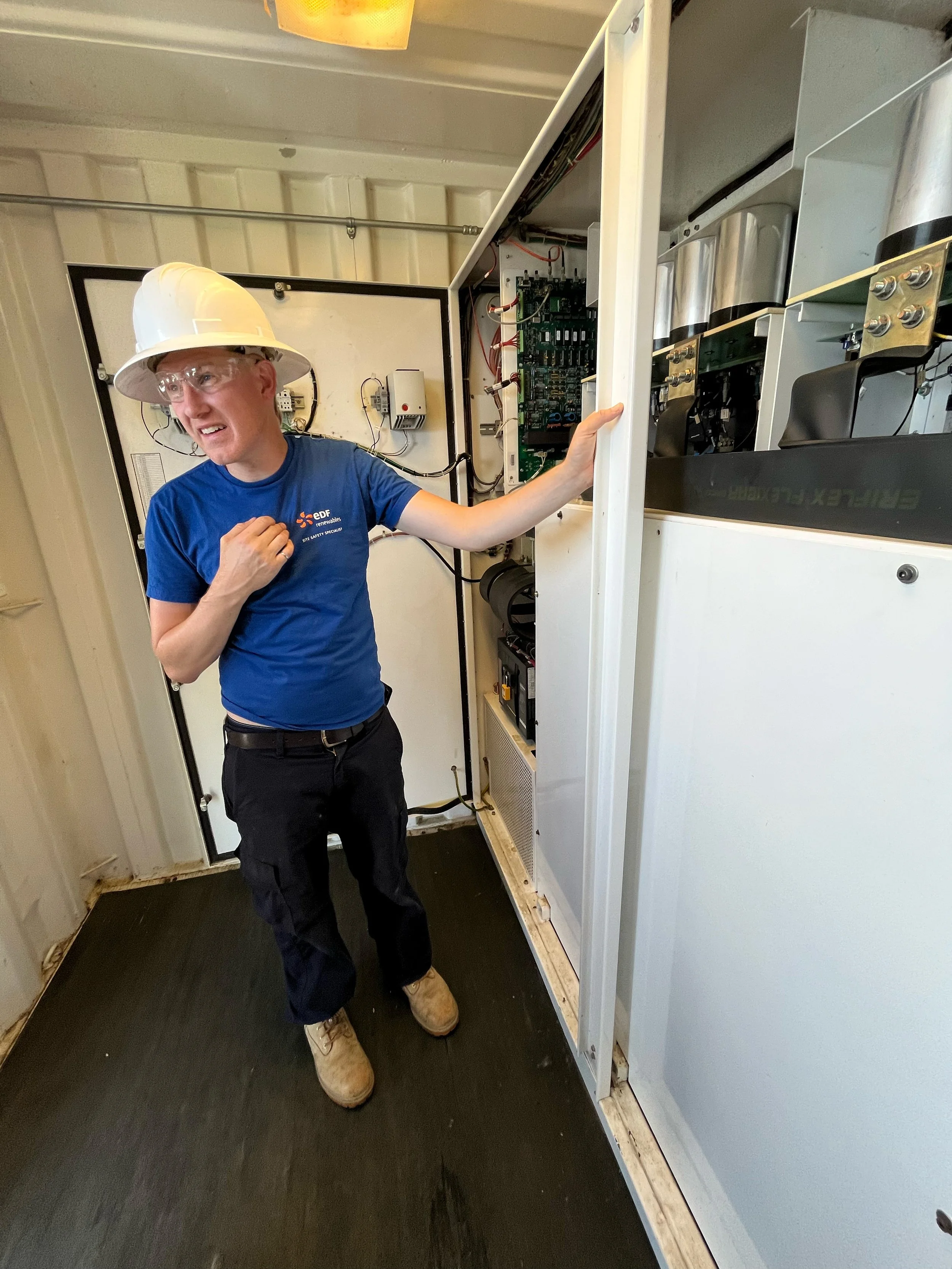
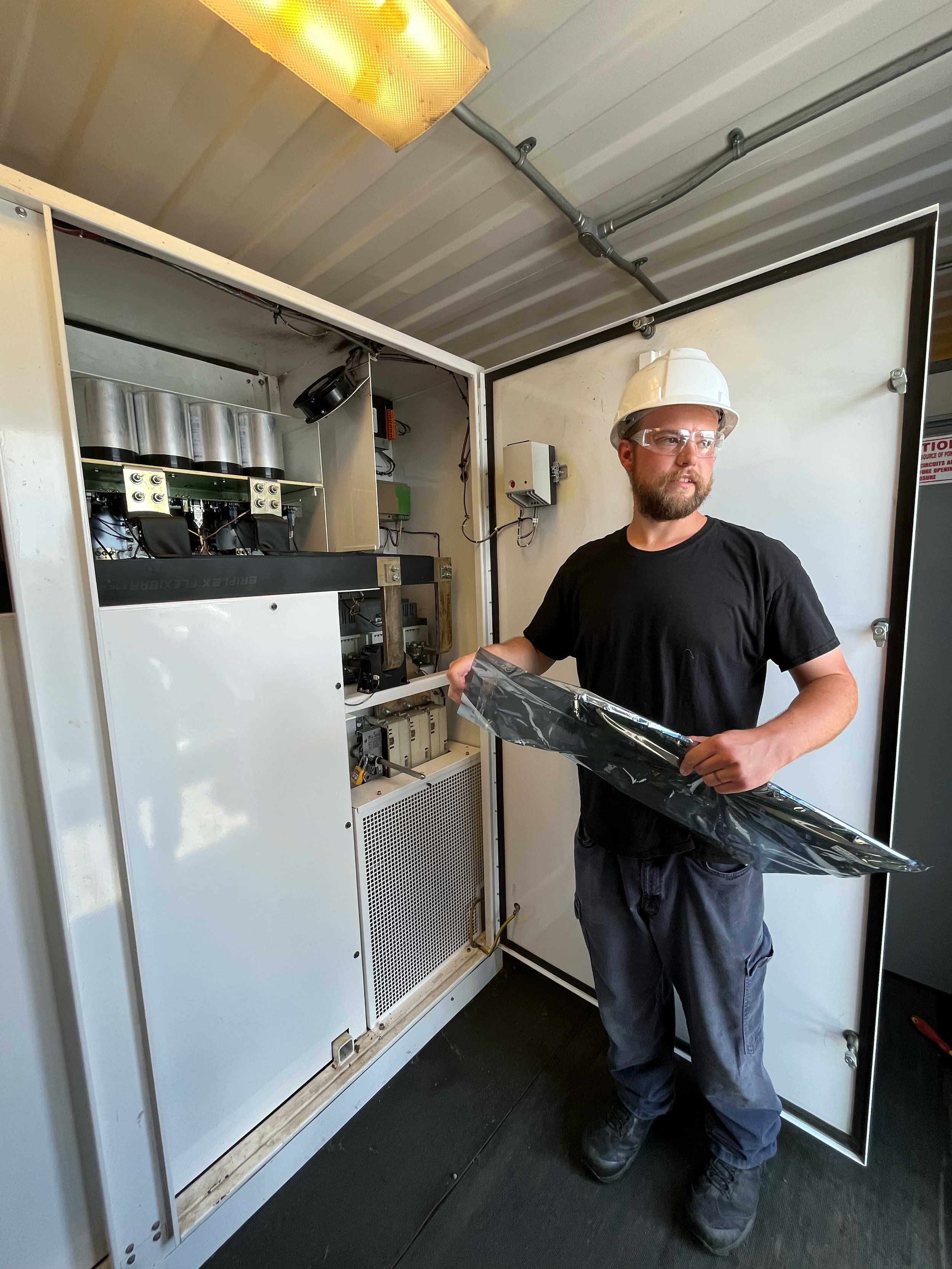
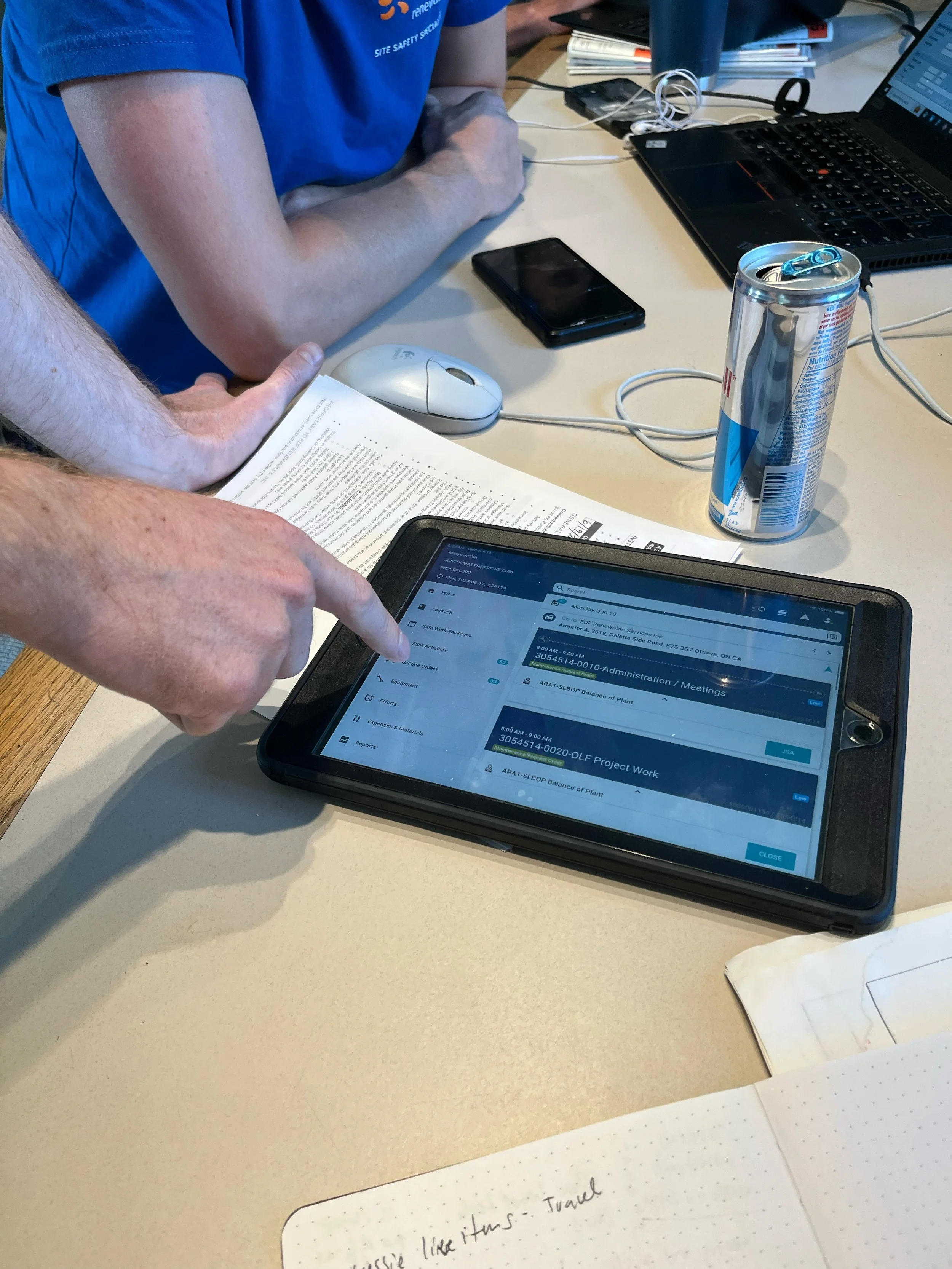
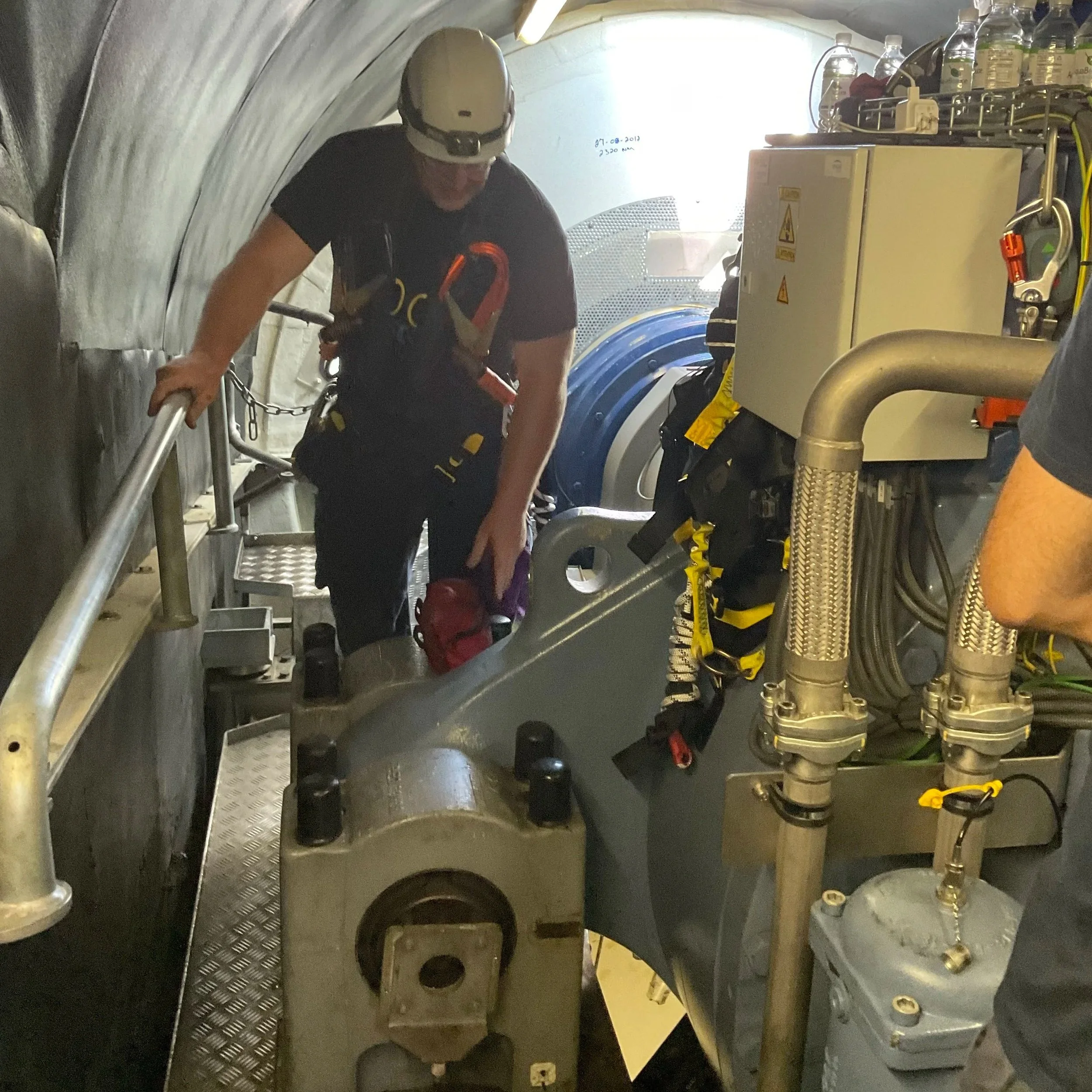
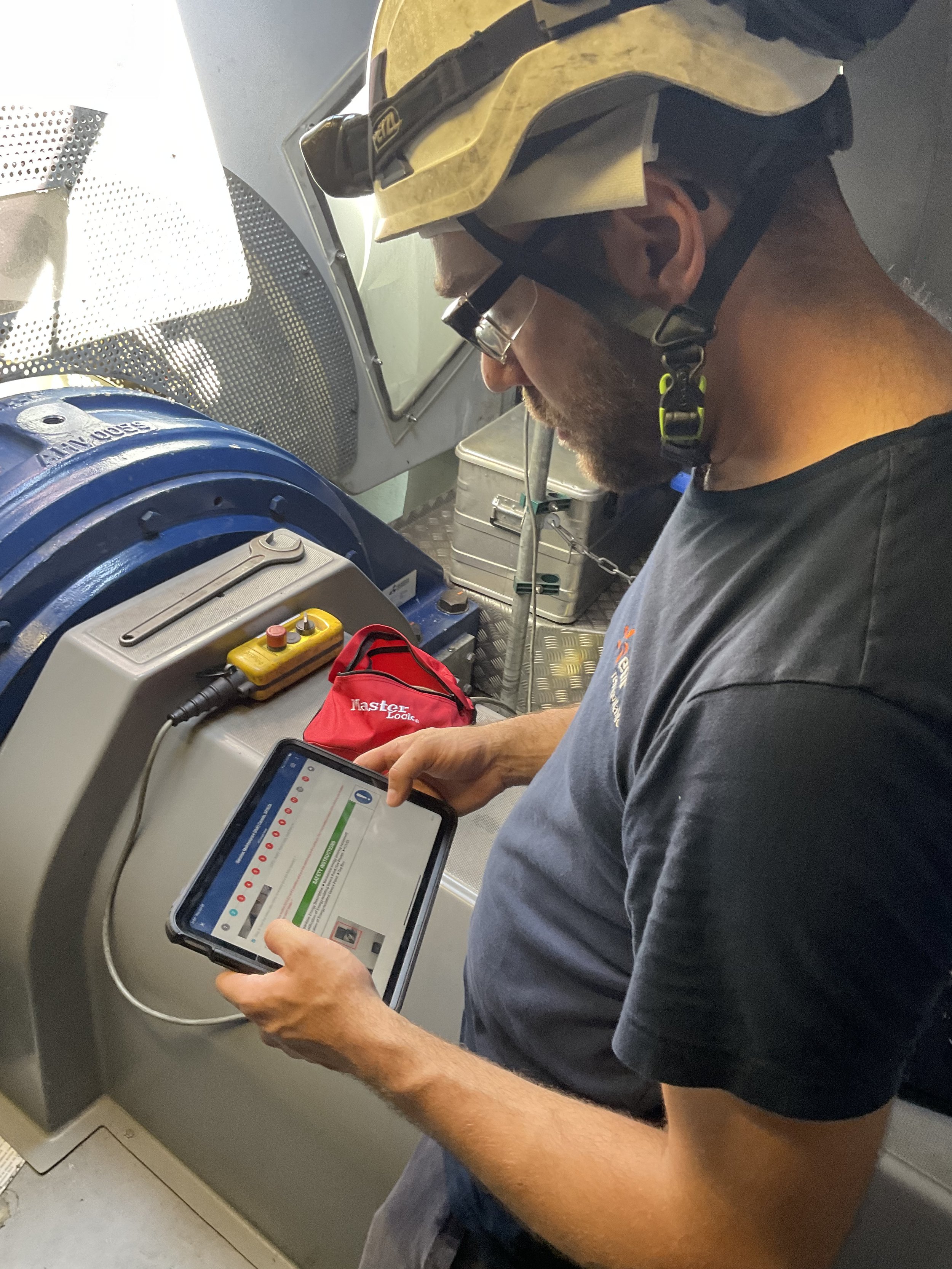
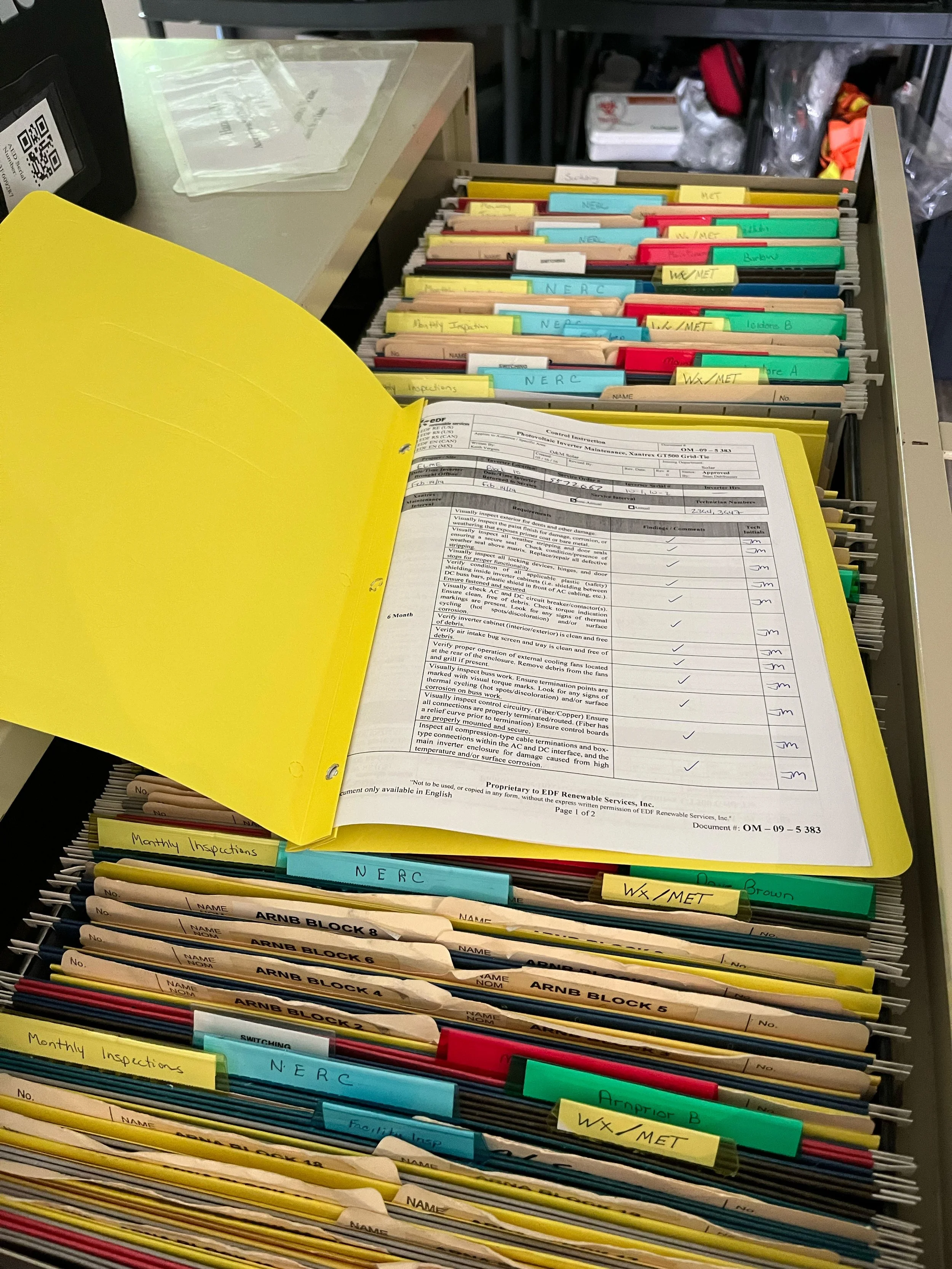
I conducted field research at a wind and solar site in Saint-Robert, Québec, observing technicians as they used the beta version of the Field Service Management app.
The research revealed two distinct working environments:
Wind technicians worked inside turbines with limited physical space. They preferred mobile devices and relied primarily on structured, compliance-driven checklists rather than extensive data entry.
Solar technicians worked in open, high-glare environments and entered more tabular information. They needed a larger digital workspace, stronger screen visibility and faster access to technical records.
Direct observation allowed us to understand not only what technicians said they needed, but how environmental conditions, equipment and existing processes shaped their use of the product.
Field research
Accessibility in field conditions
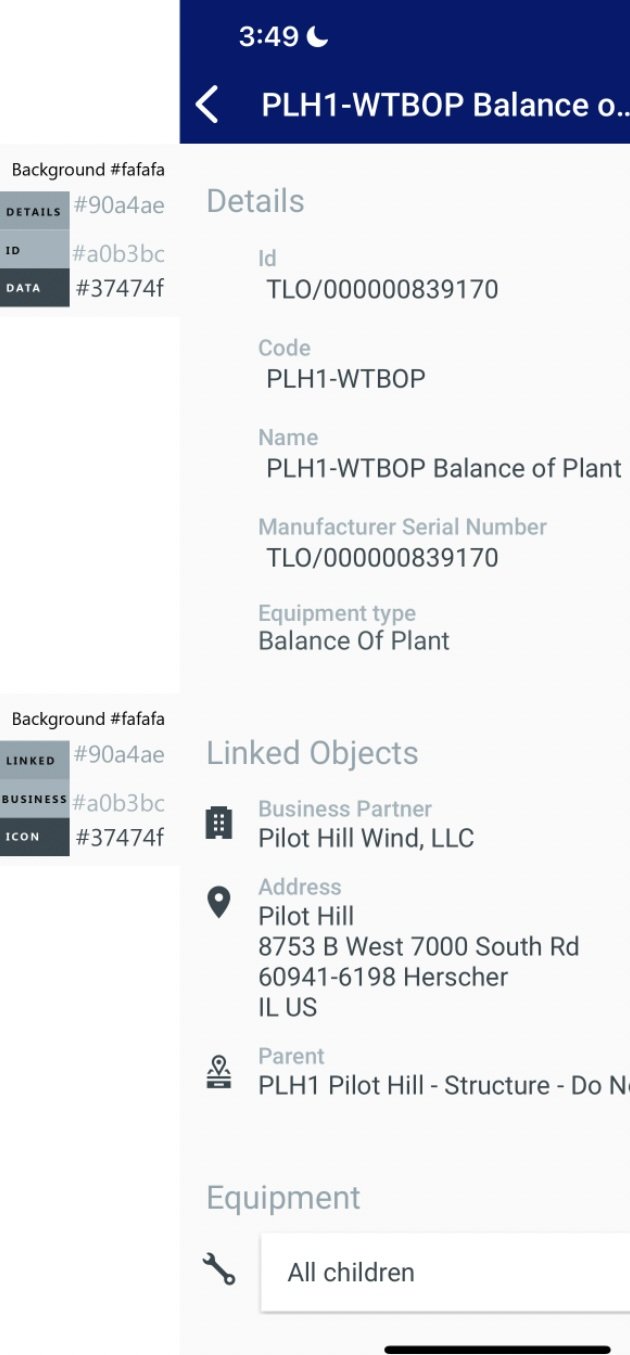
The existing color palette was difficult to read in bright sunlight. Contrast and visibility needed to be improved for technicians working outdoors.
Different jobs required different devices
Wind technicians needed compact, durable mobile devices inside turbines. Solar technicians benefited from a broader workspace for viewing and entering tabular data.
Administrative work interrupted fieldwork
Navigation and task management created unnecessary effort. Technicians needed simpler service-order titles, automated effort-time entry and smoother integration between the FSM system and SAP.
Critical information was difficult to access
Repair records, thermal documentation and other technical resources needed to be easier to locate during fieldwork.
Inventory defaults could prevent errors
Parts inventory locations could be connected to service orders, reducing manual selection and improving accuracy.
Design response
I translated the field observations into Figma concepts and implementation recommendations for the Field Service Management app.
The proposed improvements included:
Increasing color contrast and screen visibility for outdoor use.
Adapting layouts to the different needs of wind and solar technicians.
Simplifying navigation, task management and service-order titles.
Exploring automated effort-time entry to reduce administrative work.
Improving access to repair, thermal and safety documentation.
Connecting inventory defaults to service-order locations.
Refining FSM and SAP integration to reduce workflow disruptions.
Throughout the project, I advocated for solutions that addressed technician needs while remaining feasible within the product’s technical and operational constraints.
The research gave the product team a clearer picture of how working conditions affected device choice, accessibility and task completion.
Findings informed interface concepts, workflow recommendations and implementation priorities ahead of the November 2024 launch. The work also helped EDF select the appropriate number and type of devices for technicians, avoiding unnecessary equipment purchases.
Just as importantly, the field visit created a more direct connection between technicians and the design team, giving workers a stronger voice in how the product evolved.
Outcome